

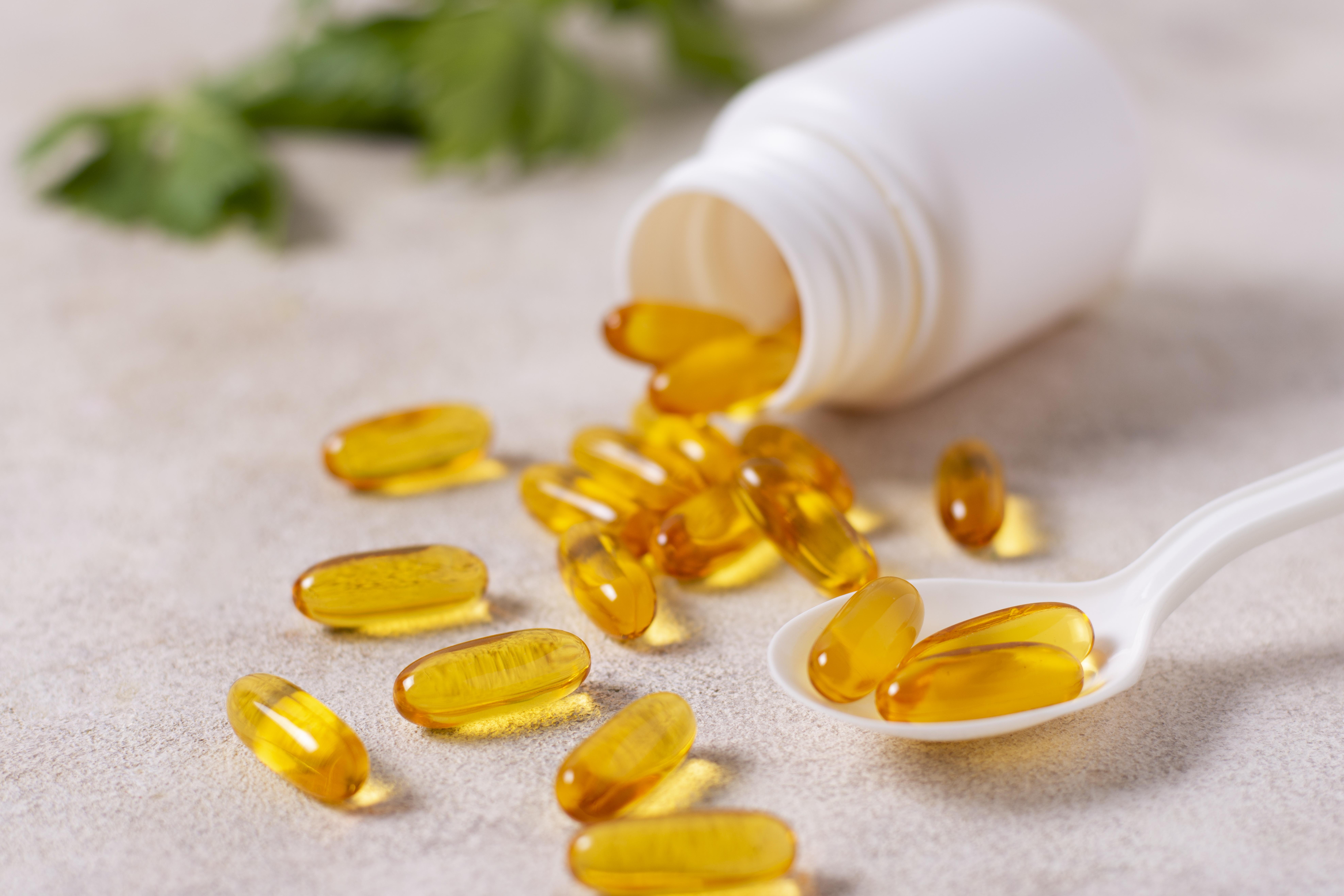
When it comes to fats, not all are created equal. While “fat” has gotten a bad rap over the years, certain fats are absolutely essential for your health. Enter Omega-3 and Omega-6 fatty acids — two families of polyunsaturated fats that play critical roles in your body. But here’s the catch: balance is everything. Most people are getting way too much Omega-6 and not nearly enough Omega-3. Let’s explore why that matters, how these fats work, and what you can do to strike the right balance.
What Are Omega-3 and Omega-6 Fatty Acids?
Let’s keep it simple. Both Omega-3 and Omega-6 fatty acids are essential fats, meaning your body can’t make them on its own. You have to get them from your diet.
Omega-3s: The Anti-Inflammatory Powerhouse
Omega-3s are best known for their anti-inflammatory effects. The three main types include:
- ALA (Alpha-linolenic acid) – found in flaxseeds, chia seeds, and walnuts.
- EPA (Eicosapentaenoic acid) – mainly found in fatty fish like salmon, sardines, and mackerel.
- DHA (Docosahexaenoic acid) – also found in fatty fish, and crucial for brain and eye health.
Omega-6s: Necessary but Tricky
Omega-6s also have essential roles. The most common form is linoleic acid (LA), which your body converts into arachidonic acid (AA). These fats are found in:
- Vegetable oils (soybean, corn, sunflower)
- Processed foods
- Nuts and seeds
While Omega-6s help with brain function, skin and hair growth, and reproductive health, the issue arises when you get too much — they can promote inflammation.
Why Balance Matters
Here’s the kicker: Both Omega-3 and Omega-6 compete for the same enzymes to be converted into their active forms in the body. So, if you’re overloading on Omega-6, your Omega-3s get pushed aside, leading to an imbalance that can contribute to chronic inflammation.
The Ideal Ratio
Experts suggest an ideal Omega-6 to Omega-3 ratio of 4:1 or even 1:1. But what’s the reality in most Western diets?
The average Western diet has a ratio of about 15:1 to 20:1 — way too heavy on Omega-6.
This imbalance is linked to a higher risk of:
- Heart disease
- Type 2 diabetes
- Obesity
- Inflammatory diseases like arthritis
- Depression and other mental health issues
The Science Behind the Fats
Let’s geek out for a moment (but not too much, promise).
Omega-6s, particularly arachidonic acid, are precursors to molecules called eicosanoids, which regulate inflammation. Some are helpful, but too many can lead to chronic inflammation.
Omega-3s, especially EPA and DHA, also produce eicosanoids, but anti-inflammatory ones. They also help stabilise heart rhythms, reduce triglycerides, and support brain health.
Quick Stat: A 2017 meta-analysis found that increasing EPA and DHA intake significantly reduced the risk of coronary heart disease, especially in those with high triglyceride levels.
How Did We Get So Imbalanced?
This isn’t just about eating too many fries (although, yes, that counts).
- Industrialisation of Food
The rise of vegetable oils (corn, soybean, safflower, etc.) in processed foods has skyrocketed Omega-6 intake. These oils are cheap, stable for cooking, and everywhere — from chips to salad dressings. For instance, soybean oil consumption increased by over 1,000% in the U.S. from 1909 to 1999.
- Animal Feed
Livestock used to graze on grass, which is naturally high in Omega-3s. Today, most are grain-fed, which jacks up Omega-6 content in the meat and dairy we consume. For example, grass-fed beef has 2–5 times more Omega-3s than grain-fed beef.
- Low Fish Consumption
We just aren’t eating enough fatty fish. The American Heart Association recommends at least two servings per week, but most people fall short.
Signs You Might Be Low in Omega-3s
- Dry skin or brittle nails
- Frequent mood swings or depression
- Poor memory or focus
- Fatigue
- Joint pain or stiffness
On the flip side, too much Omega-6 (especially from processed foods) can make these issues worse.
How to Improve Your Omega Balance
The good news? You don’t need to overhaul your diet overnight. Small changes go a long way.
- Cut Back on Omega-6 Overload
Reduce consumption of:
- Vegetable oils (especially soybean, corn, and sunflower)
- Processed snacks and fast food
- Deep-fried items
Pro Tip: Check labels for “vegetable oil” or “hydrogenated oil” — red flags for high Omega-6 content.
- Eat More Omega-3 Rich Foods
Boost intake of:
- Fatty fish (salmon, sardines, mackerel, herring)
- Chia seeds, flaxseeds, and walnuts
- Omega-3 fortified eggs
- Seaweed and algae (especially for vegans)
Stat Check: One 3-ounce serving of wild-caught salmon contains about 1,800 mg of EPA/DHA, while a tablespoon of flaxseeds contains around 2,400 mg of ALA (though ALA has a low conversion rate to EPA/DHA).
- Consider Supplements (If Needed)
If fish isn’t your thing, a high-quality fish oil or algae oil supplement can help.
- Look for at least 500-1,000 mg of EPA/DHA per serving
- Choose products tested for purity (check for “third-party tested” or certifications like IFOS)
- Omega Balance and Mental Health
Emerging research suggests that Omega-3s play a big role in mental health. A 2020 study in Translational Psychiatry found that people with depression had significantly lower levels of EPA and DHA. Supplementing with Omega-3s (especially EPA) led to notable improvements in mood.
In fact, psychiatrists are increasingly recommending Omega-3s alongside antidepressants, especially in treatment-resistant cases.
What About Omega-6s? Should We Avoid Them Completely?
Not at all! Omega-6s are still essential — you just don’t want them dominating your diet. In fact, some Omega-6s like gamma-linolenic acid (GLA), found in evening primrose oil and borage oil, have anti-inflammatory effects and may benefit conditions like eczema and arthritis. It’s not about cutting out Omega-6s, but rather restoring the balance.
Real Stories of Omega-3’s Impact on Health
It’s All About Balance
Reddit User John says that he has taken a practical approach to improving their Omega-3 to Omega-6 balance by focusing primarily on reducing Omega-6 intake, rather than actively increasing Omega-3s. He avoids common high-Omega-6 sources like processed foods, seed oils, nuts, and even limits chicken and pork fat. While he used to take fish oil supplements, he stopped due to concerns about oxidation and rancidity, preferring to get occasional Omega-3s from seafood instead. He does not fixate on tracking Omega-3 intake, but prioritises minimising Omega-6 as the most effective and straightforward strategy for maintaining a healthier fat balance.
Omega-3 Aided Keto Diet & Healthy Weight
Reddit User Nina says that since introducing Omega-3, magnesium, and vitamin D3 supplements into her routine, she has noticed a significant improvement in the consistency of their weight loss while following a keto diet. Prior to supplementation, her weight would fluctuate unpredictably — losing a pound one day, gaining two the next — despite maintaining a consistent diet and exercise routine.
After starting the supplements, her weight loss became steadier and gradual, with daily drops of about ¼ to ½ a pound. While she is not certain which supplement made the difference, as she began taking all three simultaneously, the combination has clearly had a positive impact on their progress.
Dr. Eric Berg’s Tryst With Omega-3
You can also check out this fascinating video of Dr. Eric Berg, wherein he explains the changes he saw and felt after taking Omega-3 for 30 days.
Wrapping It Up: Striking the Right Fatty Balance Between Omega-3 and Omega-6
Here’s the simple takeaway: You need both Omega-3 and Omega-6 fatty acids, but the ratio matters. Our modern diets have gone way overboard with Omega-6, throwing our systems out of whack.
By being mindful of your fat sources — dialling down processed foods and veggie oils, and bumping up your fish and flax intake — you can rebalance your body and brain.
Fat isn’t the enemy — imbalance is. Omega-3s and Omega-6s are like the yin and yang of your cellular health. Keep them in harmony, and you’re laying down a powerful foundation for long-term wellness.
National Library Of Medicine
Heart.org
Chefsresource.com
Raleigh Holistic Healthcare


Leave a Reply