


Healing takes time, but every small step forward is a victory.
At AskDoctor.ai, we’ve created this content to provide you with valuable knowledge, and treatment details about anxiety and to share real stories from people who live with it daily. Our goal is to offer both information and inspiration and help you understand this condition while giving you hope and practical insights on managing and coping with it. You’re not alone, and through knowledge and community, we believe you can navigate this journey with confidence.
What Can You Do to Overcome Anxiety? Effective Strategies That Work
Anxiety is a common emotional response to stress, uncertainty, or fear. While occasional anxiety is normal, chronic or excessive worry can interfere with daily life, making it important to develop effective strategies to manage and overcome it.
Overcoming anxiety is a journey that begins with understanding the many facets of this complex condition and embracing a variety of strategies and treatments such as medication and therapy to regain balance and well-being. Anxiety can manifest in different forms, from persistent worry to sudden panic, and its impacts on daily life can be both subtle and overwhelming. However, there is hope and numerous strategies exist that not only alleviate anxiety symptoms but also empower individuals to reclaim their sense of control.
Fortunately, several scientifically backed techniques can help reduce anxiety and promote a sense of calm.
How to Manage Anxiety
Practice Deep Breathing & Relaxation Techniques
- One of the simplest yet most effective ways to manage anxiety is by practicing deep breathing exercises. Techniques such as diaphragmatic breathing, the 4-7-8 method (inhale for 4 seconds, hold for 7, and exhale for 8), and progressive muscle relaxation can help regulate the nervous system, slowing down the body’s stress response. These techniques activate the parasympathetic nervous system, which promotes relaxation.
Exercise Regularly
- Physical activity plays a crucial role in reducing anxiety. Exercise releases endorphins, which are natural mood boosters, and helps decrease levels of stress hormones such as cortisol. Activities like walking, jogging, yoga, or even dancing can be effective in calming the mind and improving overall well-being.
Maintain a Healthy Lifestyle
- Diet and lifestyle choices have a significant impact on anxiety levels. Consuming too much caffeine, alcohol, or processed foods can worsen anxiety, whereas a balanced diet rich in whole grains, fruits, vegetables, and omega-3 fatty acids can support mental health. Staying hydrated and getting adequate sleep are equally important, as sleep deprivation can heighten feelings of anxiety.
Challenge Negative Thoughts
- Anxiety is often fueled by irrational or negative thinking patterns. Cognitive-behavioral techniques (CBT) can help individuals identify and challenge these thoughts. When experiencing anxious thoughts, ask yourself:
- Is this thought realistic?
- What is the worst that could happen?
- Have I overcome similar situations before?
By reframing negative thoughts into more rational perspectives, you can reduce their impact on your emotions.
Practice Mindfulness and Meditation
- Mindfulness involves staying present at the moment rather than dwelling on past worries or future uncertainties. Meditation, guided imagery, and grounding exercises (such as focusing on your five senses) can help redirect your thoughts and create a sense of calm. Even a few minutes of mindfulness each day can make a significant difference.
Medication Vs Therapy: (Which One Suits According to Patient Condition)

Image by Arek Socha from Pixabay
Anxiety, depression, and other mental health conditions are treated through various approaches, with medication and therapy being the two most common methods. However, the choice between them depends on the severity of the condition, individual symptoms, medical history, and personal preferences. Some patients benefit from therapy alone, while others may require medication, or a combination of both, for effective treatment. Understanding how each approach works can help individuals make an informed decision.
Medication for Mental Health Conditions
How Medication Works
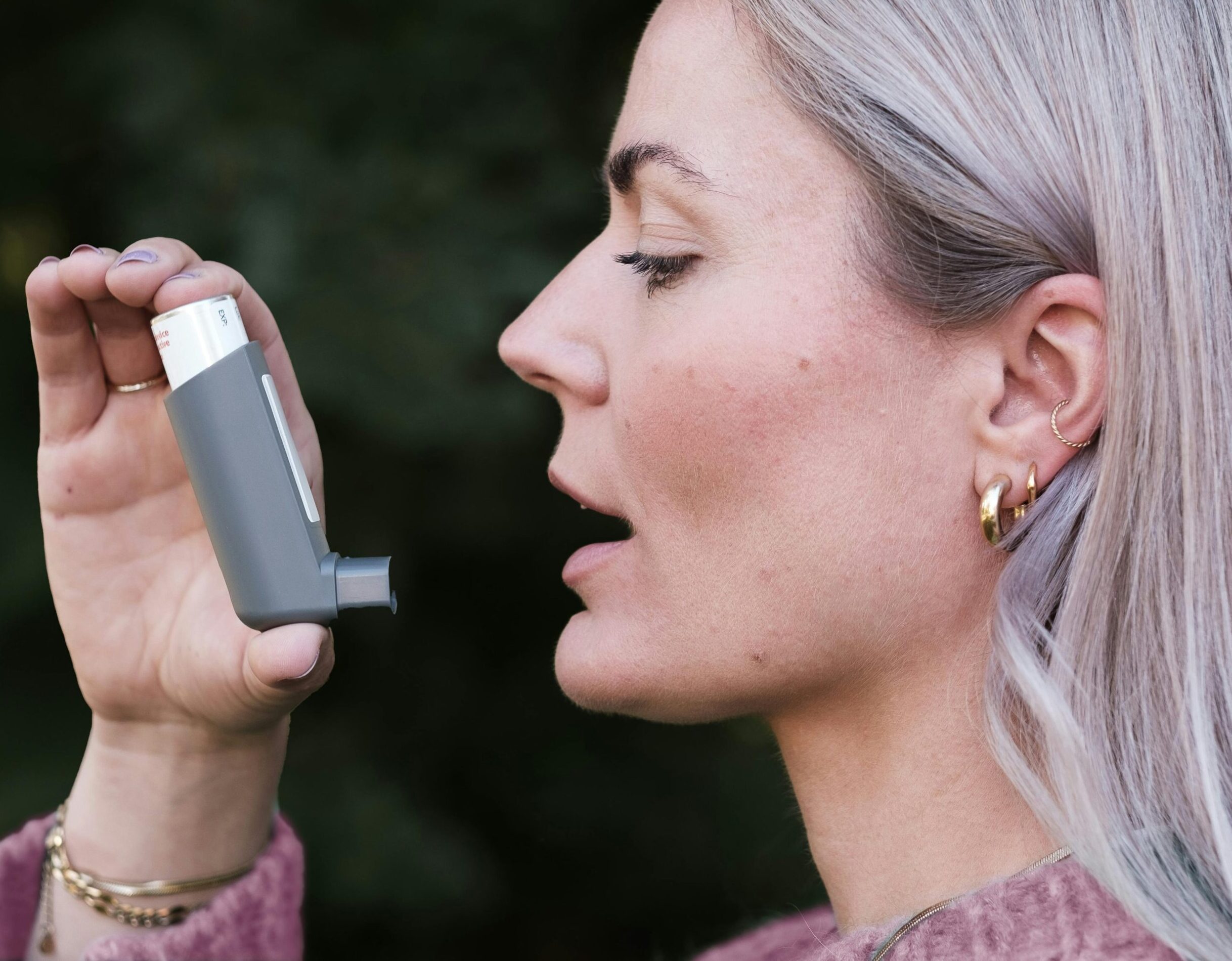
Psychiatric medications work by altering brain chemistry to regulate mood, emotions, and cognitive function. They are commonly prescribed for conditions such as anxiety disorders, depression, bipolar disorder, and schizophrenia. These medications do not cure mental illness but help manage symptoms so individuals can function better in daily life.
Types of Medications
- Antidepressants (e.g., SSRIs, SNRIs, TCAs)
- Used for depression, anxiety, PTSD, OCD
- Examples: Fluoxetine (Prozac), Sertraline (Zoloft), Venlafaxine (Effexor)
- Take weeks to show full effect
- Anti-anxiety medications (e.g., Benzodiazepines, Buspirone)
- Used for panic disorder, generalized anxiety disorder (GAD)
- Examples: Alprazolam (Xanax), Clonazepam (Klonopin), Buspirone (Buspar)
- Some, like benzodiazepines, are for short-term use only due to risk of dependence
- Mood Stabilizers (e.g., Lithium, Anticonvulsants)
- Used for bipolar disorder
- Examples: Lithium, Valproate (Depakote), Lamotrigine (Lamictal)
- Antipsychotics (e.g., Atypical and Typical Antipsychotics)
- Used for schizophrenia, bipolar disorder, severe depression
- Examples: Risperidone (Risperdal), Olanzapine (Zyprexa), Quetiapine (Seroquel)
Who Benefits Most from Medication?
- Those with significant symptoms that interfere with day-to-day activities
- Individuals who are genetically or biologically predisposed to mental illness
- Individuals suffering from psychosis or suicidal thoughts
- Individuals who have not benefited from therapy alone
- When immediate symptom alleviation is required (e.g., acute depression, panic attacks)
Pros and Cons of Medication
Quick symptom relief (in some cases)
Effective for severe mental health disorders
Helpful when combined with therapy
Possible side effects (weight gain, drowsiness, nausea, etc.)
Risk of dependence (especially benzodiazepines)
Does not address underlying emotional causes
Therapy for Mental Health Conditions
How Therapy Works
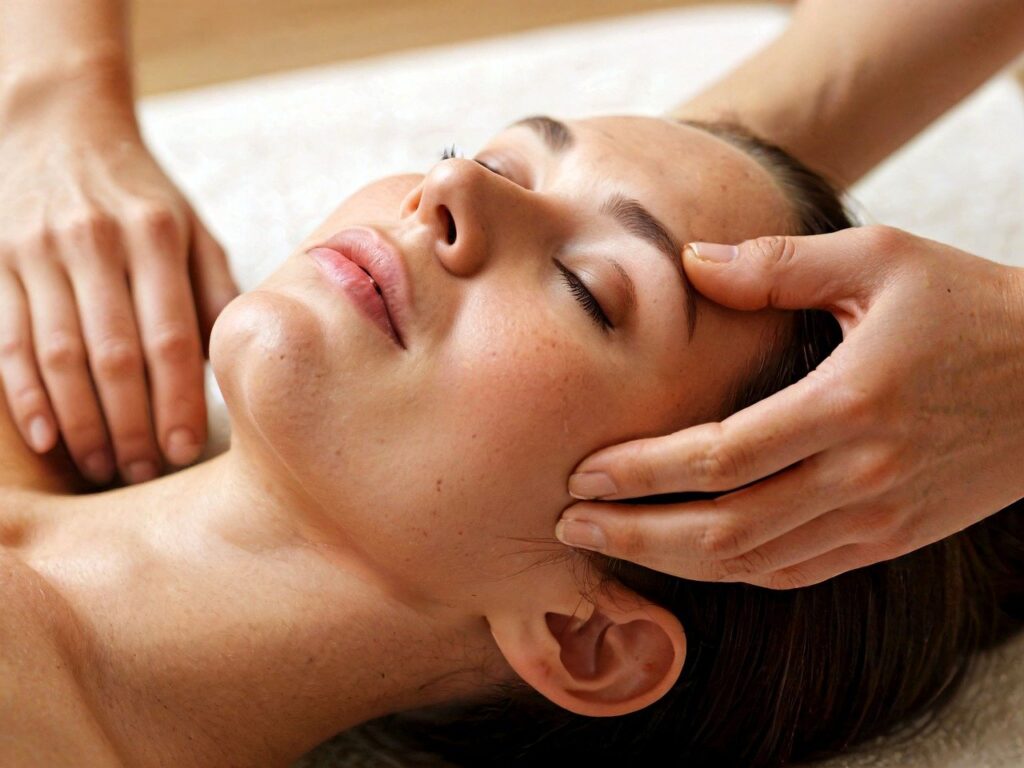
Therapy helps individuals understand and change negative thought patterns, behaviors, and coping mechanisms. Unlike medication, which alters brain chemistry, therapy focuses on emotional processing, problem-solving, and skill-building.
Types of Therapy
- Cognitive-behavioral therapy (CBT)
- Helps reframe negative thoughts and build coping strategies
- effective for anxiety, depression, OCD, PTSD
- Structured, short-term therapy (typically 12-20 sessions)
- Psychodynamic Therapy
- Explores past experiences, unconscious thoughts, and emotions
- Effective for deep-seated emotional issues, personality disorders
- Longer-term approach
- Dialectical Behavior Therapy (DBT)
- Teaches emotion regulation, distress tolerance, and mindfulness
- Helpful for borderline personality disorder, self-harm tendencies
- Exposure Therapy
- Gradual exposure to feared situations to reduce phobias, PTSD, OCD
- Interpersonal Therapy (IPT)
- Focuses on relationship issues and emotional expression
Who Benefits Most from Therapy?
- Individuals with mild to moderate mental health symptoms
- Those looking to understand emotional triggers
- People wanting long-term coping strategies
- Patients hesitant to take medication
- Those with trauma-related disorders or interpersonal issues
Pros and Cons of Therapy
Helps address the root causes of mental health issues
No risk of physical side effects
Provides long-term coping strategies
It takes time and effort to see progress
It may not be enough for severe mental health conditions
Finding the right therapist can be challenging
Medication vs. Therapy Comparison
| Factors | Medication | Therapy |
| Best for | Severe symptoms, biological causes | Mild to moderate symptoms, emotional issues |
| Time to Work | Can be quick (days to weeks) | Takes time (weeks to months) |
| Addresses Root Cause? | No, only manages symptoms | Yes, explores emotional patterns |
| Side Effects? | Possible (nausea, weight gain, drowsiness) | None (except emotional discomfort during sessions) |
| Dependency Risk? | Possible (e.g., benzodiazepines) | No |
| Long-Term Effectiveness? | May require ongoing use | Helps build lifelong coping skills |

Image by fernando zhiminaicela from Pixabay
Combining Medication and Therapy: A Balanced Approach
For many patients, a combination of both medication and therapy is the most effective treatment.
Why?
- Medication provides quick relief, allowing the patient to function better.
- Therapy addresses underlying issues, teaching long-term coping mechanisms.
- Studies suggest that CBT + medication is often more effective than either alone, especially for severe depression, OCD, and anxiety disorders.
Who Benefits Most from Combination Treatment?
- People with moderate to severe illnesses
- Individuals who desire long-term healing but require urgent symptom relief
- Individuals who have not reacted to a single strategy
Conclusion: Personalized Treatment is Key
There is no one-size-fits-all approach to treating mental health conditions. The decision between medication, therapy, or both should be based on:
The severity of symptoms
Personal preference and comfort level
Medical history and past treatment responses
The guidance of a mental health professional
For some, therapy alone provides long-term benefits. For others, medication is necessary to stabilize symptoms. And for many, a combination of both leads to the best results. The most important step is seeking help and finding what works best for you.
Real Life Anxiety Recovery Stories
Mar`s Medication Success Journey
She has anxiety. She wanted to share her story in hope that it helps someone out there struggling. She told, she has been taking Lexapro (Escitalopram) for the last 10 months, and it’s changed my life. While I’m not advocating for this medication, she wants anyone struggling with their mental health to get help whether it’s through therapy, a doctor, or medication. She thinks it’s important to talk about not being okay, and getting the help you need to feel better. Just like any other body part, your mental health is just as important. Take care of yourself, and speak up when you don’t know how. You don’t have to struggle alone.
Rare Advice From Those Who Suffered Anxiety and Recovered Those
People With Anxiety & Depression Share Advice For Anyone Who’s Struggling. Soul Stories, success stories.
References:
Harvard Health about Anxiety


Leave a Reply