

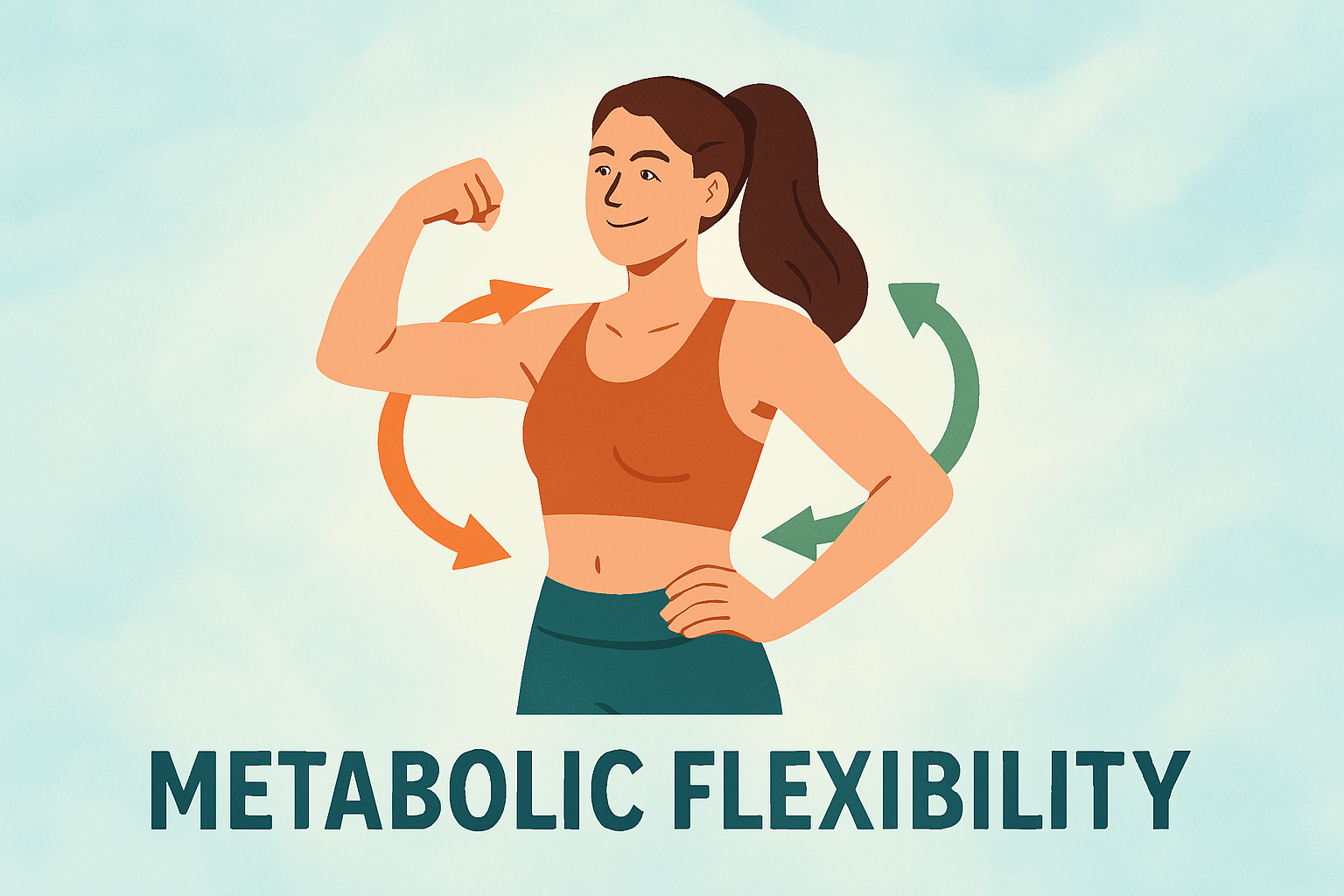
At askdoctor.ai, unlock the real science behind metabolic flexibility—the key to becoming a fat burner instead of a sugar burner. In this article, you’ll learn how to recognize signs of metabolic inflexibility, what foods and habits support fat adaptation, and how to structure your lifestyle for metabolic resilience. Whether you’re struggling with energy crashes, weight loss plateaus, or just want to perform and feel better every day, this guide gives you the insights and tools to take control. Backed by expert strategies and real-world transformations, it’s your roadmap to ditching sugar dependency, boosting fat metabolism, and creating long-term, sustainable change without extremes.
Why Metabolic Flexibility Is the Missing Link in Your Fat Loss Journey
Unlock the secret to sustained fat loss, better energy, and metabolic health by training your body to shift from burning sugar to burning fat. While most diet advice focuses on cutting calories and exercising more, it often overlooks the key factor behind lasting transformation: metabolic flexibility.
In this guide, we’ll break down what metabolic flexibility is, why it matters, and how to improve it using nutrition, movement, and lifestyle strategies backed by science.
What Is Metabolic Flexibility?
Metabolic flexibility is your body’s ability to efficiently switch between using glucose (sugar) and fat for fuel depending on availability. In a healthy, metabolically flexible state, you can burn carbs during high-intensity exercise or meals and shift to fat-burning during rest, fasting, or low-carb periods. This adaptability supports stable energy, improved fat loss, and reduced risk of chronic diseases like type 2 diabetes and obesity.
Factors Affecting Metabolic Flexibility
Several factors can influence metabolic flexibility:
- Insulin Resistance: Reduces the body’s ability to switch between fuel sources.
- Aging: This leads to decreased activity of enzymes like pyruvate dehydrogenase, impairing glucose oxidation.
- Inflammatory Responses: Conditions such as cytokine storms can compromise metabolic flexibility by inactivating key metabolic enzymes
Why Most People Are Stuck in Sugar-Burning Mode
- High-Carbohydrate Diets
Most modern diets are rich in refined carbs and sugars (e.g., bread, pasta, pastries, sugary drinks), which condition the body to prioritize glucose as its primary energy source. - Frequent Eating & Snacking
Eating every 2–3 hours keep insulin levels elevated, signaling the body to burn glucose and store fat instead of accessing fat for fuel. - Insulin Resistance
Chronic carb intake can lead to insulin resistance, making it harder for cells to use fat effectively for energy. - Low Physical Activity
Sedentary lifestyles reduce mitochondrial efficiency and limit the body’s ability to adapt to burning different fuel sources, especially fat. - Lack of Metabolic Stressors
The absence of practices like intermittent fasting, cold exposure, or high-intensity exercise limits the body’s opportunity to adapt to fat-burning. - Mitochondrial Dysfunction
Poor metabolic health (from diet, toxins, or aging) impairs the mitochondria—the engines of energy production—reducing fat oxidation capacity. - Overconsumption of Processed Foods
Ultra-processed foods high in sugars and low in fiber and nutrients keep blood sugar levels volatile and discourage fat metabolism. - Sleep and Stress Imbalances
Poor sleep and chronic stress elevate cortisol, which can impair glucose regulation and keep the body in a sugar-burning state.
Benefits of Fat Adaptation
- Improved energy and mental clarity
- Reduced cravings and hunger swings
- Better blood sugar regulation
- More efficient fat loss
- Greater exercise endurance
- Lower inflammation
Signs You May Have Poor Metabolic Flexibility
- Frequent hunger and snacking
- Energy crashes between meals
- Difficulty losing weight
- Cravings for sugar or carbs
- Brain fog or poor focus
- Inconsistent performance during exercise
How to Train Your Body to Burn Fat Instead of Sugar
- Reduce refined carbohydrates and added sugars
- Prioritize protein and healthy fats
- Increase fiber from vegetables and whole foods
- Avoid constant grazing; allow time between meals
- Practice intermittent fasting (start with 12–14 hours)
- Incorporate low- to moderate-intensity movement (e.g., walking, yoga)
- Build muscle with strength training
Best Foods to Improve Metabolic Flexibility
- Wild salmon, grass-fed beef, and pasture-raised eggs
- Avocados, olive oil, nuts, and seeds
- Leafy greens, cruciferous vegetables, and fermented foods
- Low-glycemic fruits like berries
- Bone broth and collagen-rich foods
Intermittent Fasting & Meal Timing Strategies
Intermittent fasting (IF) is an eating pattern that cycles between periods of eating and fasting. It doesn’t prescribe specific foods but rather focuses on when you eat.
Intermittent Fasting for Longevity: The Cellular Benefits of IF (Methods, Side Effects, and Real-Life Stories)
Exercise Approaches That Support Metabolic Flexibility
- Fasted cardio (e.g., morning walk or jog before eating)
- Zone 2 training (low-intensity, steady-state cardio)
- Strength training to build muscle and improve insulin sensitivity
- HIIT for occasional metabolic stress and adaptation
The Role of Sleep, Stress, and Hormones
Your metabolism is deeply influenced by cortisol, melatonin, insulin, thyroid hormones, and others. Poor sleep, chronic stress, and hormone imbalance can stall fat-burning. Prioritize sleep hygiene, recovery, and stress management techniques like breathwork and mindfulness.
weight loss link

Image by PublicDomainPictures from Pixabay
Real-Life Success Stories
“I spent 3 months (simply because that was the amount of time between T2D diagnosis and my first follow-up) 100% strict, <20g net carbs / 30g total, and I didn’t cheat at all. Absolutely adherence. I dropped 70lbs in those 3 months, (reversed the diabetes), and then introduced an odd cheat meal, and I noticed that these meals had very little negative effect. No sudden weight/water gain that I’d been led to believe was inevitable, I was back in ketosis very quickly, and the only thing I really noticed was my Thyroid ramping a little, I.e. I’d feel a little that night in bed.
After that I started doing experiments on my Blood sugar, after all, that was the reason I’d been doing all this.
Now admittedly, I was very active, I was cycling to the gym, weight training and then cycling home via the scenic route (a 15-mile round trip). In a fasted state. So, I started introducing high glycemic carbs to see how well my Diabetes was actually reversed, and not just “controlled”
Not the most scientific tests, but I started introducing meals of White sliced bread and testing 30, 60, 120m PP.
I got up to SIX SLICES, (120g), and my Blood sugar was in normal ranges for all those timings, not even Prediabetic.
I considered that to be flexibility achieved! Not bad for a diabetic!
Thomas De-Lauer on Optimizing Metabolic Flexibility
Carolyn | Lumen Success Stories
References:
Wikipedia about Metabolic Flexibility
National Institute of Medicine about Metabolic Flexibility



Leave a Reply