

At AskDoctor.ai, we have created this content to provide you with valuable knowledge about SIBO. Our goal is to offer both information and inspiration—helping you understand the causes, symptoms, and management options of the condition. You are not alone; through knowledge and community, we believe you can confidently navigate this journey.
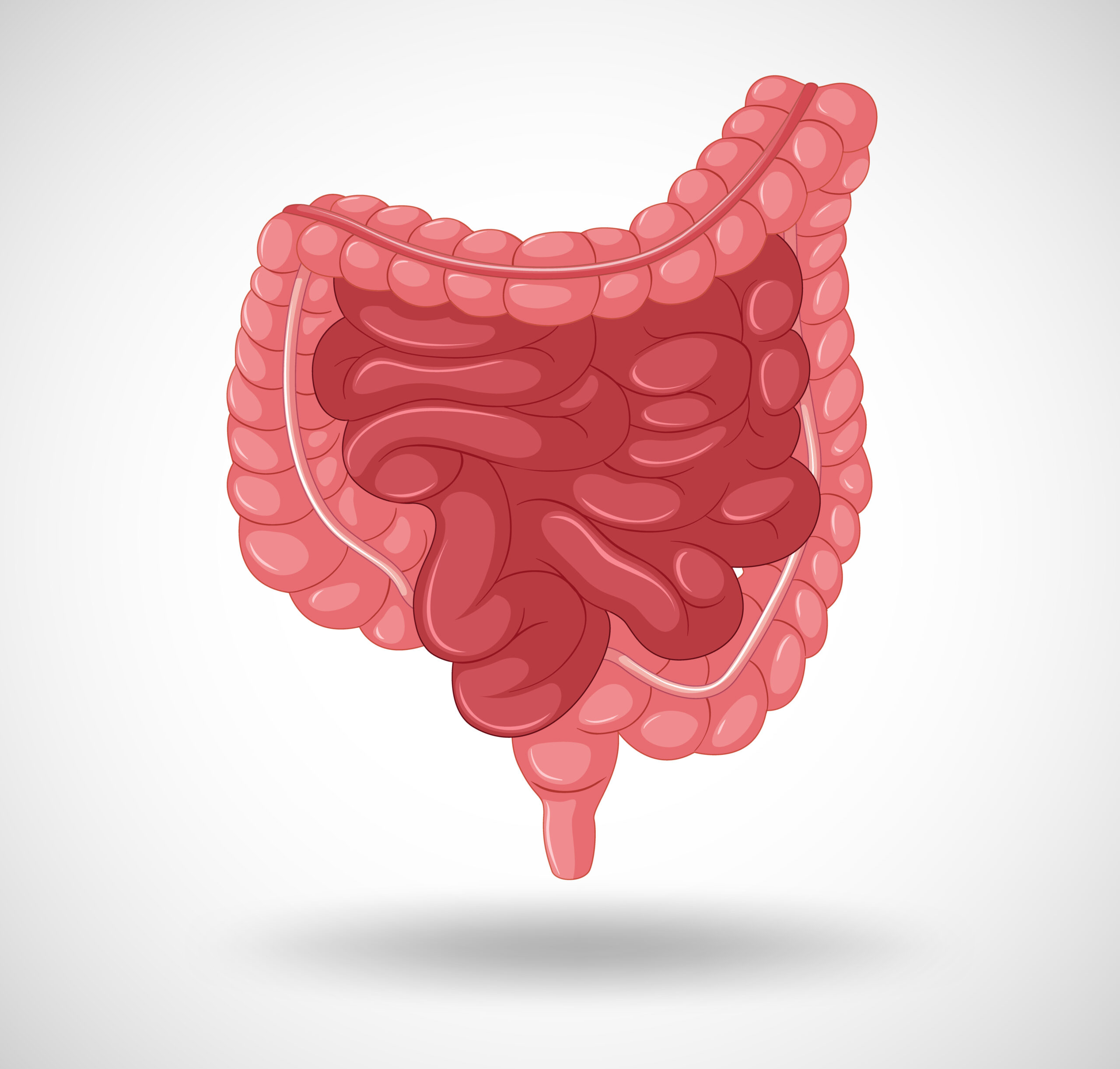
Small Intestinal Bacterial Overgrowth, commonly known as SIBO, is a gastrointestinal disorder that affects the small intestine, where an excessive amount of bacteria accumulate. The small intestine is meant to have fewer bacteria compared to the large intestine. However, when there’s an overgrowth of bacteria in the small intestine, it can disrupt the natural digestive process, leading to uncomfortable and sometimes debilitating symptoms.
In this blog, we’ll dive deep into what SIBO is, its causes, symptoms, diagnosis, and treatment options, and provide you with all the information you need to understand this condition better.
What is SIBO?
SIBO stands for Small Intestinal Bacterial Overgrowth. It occurs when there is an abnormal increase in the number of bacteria in the small intestine. While bacteria are essential for the digestive system, most of the bacteria in our digestive tract reside in the large intestine. In the case of SIBO, an overgrowth of these bacteria in the small intestine causes digestive problems and interferes with the body’s ability to absorb nutrients from food. We can estimate that between 6% and 15% of healthy, asymptomatic people may have SIBO. Furthermore, the occurrence of SIBO increases significantly among those with other gastrointestinal disorders.
Normally, the small intestine acts as a gateway where food is broken down and nutrients are absorbed into the bloodstream. The bacteria in the small intestine are meant to be in much smaller quantities, as they help in the digestion of food. But when these bacteria grow excessively, they can create havoc in your digestive system.
What Causes SIBO?
Several factors contribute to the development of SIBO. To understand SIBO better, we need to look at the factors that promote bacterial overgrowth in the small intestine:
Impaired Gut Motility:
The digestive tract has a natural wave-like motion called peristalsis, which helps move food and waste through the intestines. If this motility is impaired, food and bacteria may stay in the small intestine longer than they should, allowing bacteria to multiply. Conditions like diabetes, irritable bowel syndrome (IBS), and hypothyroidism can interfere with gut motility. Studies have shown that up to 20% of individuals with IBS have SIBO
Structural Abnormalities:
Physical changes in the structure of the small intestine can lead to stagnant areas where bacteria can grow. For example, conditions like Crohn’s disease, intestinal surgery, or adhesions (scar tissue) after surgery can cause parts of the small intestine to become narrowed or blocked, promoting bacterial growth.
Low Stomach Acid:
Stomach acid acts as a defense mechanism, preventing harmful bacteria from entering the small intestine. When stomach acid production is low, due to conditions like acid reflux or the use of antacids, bacteria from the stomach can more easily enter the small intestine and overgrow.
Immunodeficiency:
A weakened immune system can make it easier for harmful bacteria to overgrow in the small intestine. Conditions that affect the immune system, such as HIV or autoimmune diseases, increase the risk of developing SIBO. For instance, up to 50% of HIV-positive individuals develop SIBO.
Antibiotic Use:
While antibiotics are designed to kill harmful bacteria, they can also disrupt the balance of bacteria in your digestive system. Overuse or misuse of antibiotics can disturb the natural bacterial flora in the gut, allowing harmful bacteria to proliferate in the small intestine.
Changes in Diet:
A diet high in refined sugars, processed foods, and low in fiber can encourage the growth of harmful bacteria in the gut. A poor diet can disrupt the balance of gut flora and contribute to conditions like SIBO.
What are the Symptoms of SIBO?
SIBO manifests in various ways, and its symptoms can be similar to those of other digestive issues, which often makes it tricky to diagnose. The most common symptoms include:
- Bloating:
This is the most frequently reported symptom of SIBO. People with SIBO often feel uncomfortably full and bloated, especially after meals. This happens due to gas produced by the bacteria in the small intestine. Almost 90% of people diagnosed with SIBO experience bloating as a significant symptom.
- Diarrhea or Constipation:
Some individuals with SIBO experience diarrhea, while others may have constipation. This inconsistency can make it difficult for people to recognize SIBO at first.
- Abdominal Pain or Discomfort:
Pain or cramping in the stomach area is common, particularly after eating, as the overgrowth of bacteria can cause inflammation and discomfort. According to a report published in the American Journal of Gastroenterology, 70% of individuals with SIBO report experiencing abdominal pain or discomfort, particularly after meals.
- Indigestion:
Difficulty in digesting food can lead to feelings of nausea, especially after meals. Some people also report a sensation of fullness or heaviness.
- Fatigue:
Chronic fatigue is a common symptom in those with SIBO. The body’s inability to absorb nutrients properly can lead to feelings of tiredness and low energy levels.
- Unexplained Weight Loss:
In severe cases of SIBO, nutrient malabsorption can lead to weight loss, as the body doesn’t absorb essential vitamins and minerals properly.
- Heartburn or Acid Reflux:
A buildup of bacteria can contribute to the regurgitation of stomach acid, causing heartburn and reflux-like symptoms.
- Malnutrition and Deficiencies:
Since SIBO impairs nutrient absorption, those affected may develop deficiencies in vital nutrients like vitamin B12, iron, and fat-soluble vitamins (A, D, E, and K).
How is SIBO Diagnosed?
Diagnosing SIBO can be tricky due to its similar symptoms to other gastrointestinal conditions like IBS or lactose intolerance. Several diagnostic tests can help confirm SIBO:
- Hydrogen Breath Test: This is the most common test used to diagnose SIBO. The patient drinks a sugar solution (lactulose or glucose), and then the breath is measured for the presence of hydrogen or methane gases. The bacteria in the small intestine ferment the sugar, producing gases that can be detected in the breath. Higher than normal levels of these gases indicate bacterial overgrowth.
- Small Bowel Aspirate and Culture: This test involves taking a sample of fluid from the small intestine and culturing it in a lab to check for an excess of bacteria. While this test is considered the gold standard, it’s more invasive and less commonly used due to its complexity.
- Stool Tests: Stool tests can also be used to evaluate the overall balance of gut bacteria, though they are less specific for diagnosing SIBO.
Treatment Options for SIBO
Treating SIBO typically involves addressing the underlying causes and eliminating the excess bacteria from the small intestine. Here are some of the most common treatment strategies:
- Antibiotics:
The primary treatment for SIBO is antibiotics. The most commonly used antibiotics for SIBO are Rifaximin and Neomycin. These antibiotics are specifically chosen to target the bacteria in the small intestine without disrupting the overall gut flora too much.
- Dietary Modifications:
A significant part of managing SIBO is modifying the diet to reduce fermentable carbohydrates, which feed the bacteria in the small intestine. One of the most well-known diets for SIBO is the Low FODMAP diet, which reduces foods that contain certain sugars that are poorly absorbed by the small intestine, thus reducing fermentation. Studies reveal that a Low FODMAP diet leads to symptom improvement in 50-70% of patients with SIBO.
- Prokinetic Agents:
In some cases, medications that enhance gut motility, called prokinetics, are prescribed to help the gut move food and bacteria through the intestines more efficiently.
- Herbal Treatments:
Some individuals prefer herbal antibiotics as an alternative to conventional antibiotics. Herbs such as oregano oil, berberine, and garlic extract have been studied for their potential to help combat SIBO. However, more research is needed to confirm their effectiveness.
- Addressing Underlying Conditions:
Since SIBO can be caused by other conditions like IBS, hypothyroidism, or diabetes, treating the underlying cause is essential to prevent SIBO from recurring.
- Probiotics and Gut Healing:
Probiotics may help in rebalancing the gut flora after treatment, though the use of probiotics for SIBO is controversial and should be approached with caution. They are sometimes helpful in restoring healthy bacteria after the overgrowth is eliminated.
Can SIBO Be Prevented?
While it’s not always possible to prevent SIBO, there are several steps you can take to reduce your risk:
- Maintain a healthy diet that includes plenty of fiber-rich foods and limits sugar and processed foods.
- Avoid overusing antibiotics unless prescribed by a doctor for a specific infection.
- Manage conditions like diabetes and hypothyroidism with the help of healthcare providers.
- Exercise regularly to help support healthy gut motility.
Overcoming SIBO: Three Amazing Stories
Diet is the Game Changer
A Reddit User says that diet has been their game changer in managing SIBO. They found that cutting down on sugar, chocolates, desserts, and anything sweet significantly helped manage their symptoms. They also noted that strictly following the FODMAP diet was challenging. Additionally, they are intolerant to milk and lentils. While they can tolerate cheese, such as in pizza, consuming too much cheese tends to flare up their stomach. Lentils, however, are not tolerated.
Fixing Eating Habits Can Help
Reddit User Axiom eliminated wheat, corn, milk, and sugar from their diet for an entire year, focusing on vegetables and carbohydrates like rice and potatoes. They also exercised multiple times a week, took 4-hour breaks between meals, and ensured a 12-hour gap between dinner and breakfast. For a few months, they used a prokinetic to aid digestion.
However, the most significant change came from improving their mental health. They started meditating, spending more time with friends, and reducing stress, which had a profound impact. Although they still experience occasional issues, these are rare, with bloating occurring once every two months or less. Overall, they are in a good spot, with minimal digestive discomfort.
Success With SIBO
You can check out Aimee’s journey of overcoming SIBO in this inspiring video.
Wrapping It Up
SIBO is a condition that can significantly impact your quality of life. While the symptoms can be unpleasant, with proper treatment, most people with SIBO can experience relief. It’s essential to work closely with a healthcare provider to identify the root causes of the condition, choose the right treatments, and make lifestyle adjustments to support long-term gut health. By understanding SIBO, its symptoms, causes, and treatment options, you’re taking an important step toward better digestive health.
If you think you might have SIBO, it’s crucial to consult with a healthcare provider to get a proper diagnosis and start a treatment plan that works best for you. With the right care, you can manage and overcome this challenging condition.
References
Institute for Digestive Wellbeing
Research gate
National Library of Medicine
Reddit SIBO Community


Leave a Reply