

What is Cancer Remission?
When someone hears the words “your cancer is in remission,” it brings a huge sense of relief. However, right after that moment, many people start to wonder—does cancer remission actually mean the cancer is cured? At first glance, the two terms may sound similar, but they mean very different things.
Understanding these terms helps patients stay informed and emotionally prepared. It also allows families to better support their loved ones and plan ahead with greater clarity. In this blog, we’ll break down what remission in cancer really means, how it’s treated, and how it differs from a complete cure. While symptoms of cancer may be reduced or gone during remission, it does not always mean the cancer is cured. At AskDoctor.ai, we have created this blog to provide you with valuable knowledge about understanding the difference between cancer remission and a cancer cure.
There are two main types of cancer Remission:
To start with, cancer Remission means the signs and symptoms of cancer have either greatly reduced or completely disappeared. This doesn’t always mean the cancer is gone forever, but it shows that treatment has worked so far.
- Partial Cancer Remission: Some signs of cancer are still present, but they have decreased.
- Complete Cancer Remission: All signs and symptoms are gone, but it doesn’t guarantee the cancer won’t return.
Doctors use tests, scans, and bloodwork to determine remission. In short, remission means improvement, not necessarily a cure.
How Do You Treat Cancer after Remission?

- Even after entering cancer Remission, treatment often continues. The goal is to keep cancer from coming back.
- Common approaches include:
- Maintenance Therapy: Low-dose chemotherapy or targeted therapy.
- Lifestyle Changes: Diet, exercise, and reducing stress.
- Regular Monitoring: Blood tests and scans to catch any recurrence early.
Transformative Tip: Staying proactive with your health helps manage remission more effectively.
What is a Cancer Cure?
A cancer cure means that the cancer has been completely eliminated from the body and will not return. Doctors usually consider someone cured if they have been in complete remission for five years or more without recurrence
However, this varies based on:
- Cancer type
- Stage at diagnosis
- Overall health
Why the Confusion Between Remission and Cure?
Why It Matters: Understanding this helps manage expectations and emotions.
| Term | Meaning |
|---|---|
| Cancer Remission | Cancer is reduced or undetectable but may return |
| Cancer Cure | Cancer is completely gone and not expected to return |
Discover what cancer remission really means and how it’s different from a cure. This short video explains the key differences clearly. A must-watch for anyone facing cancer or supporting a loved one.
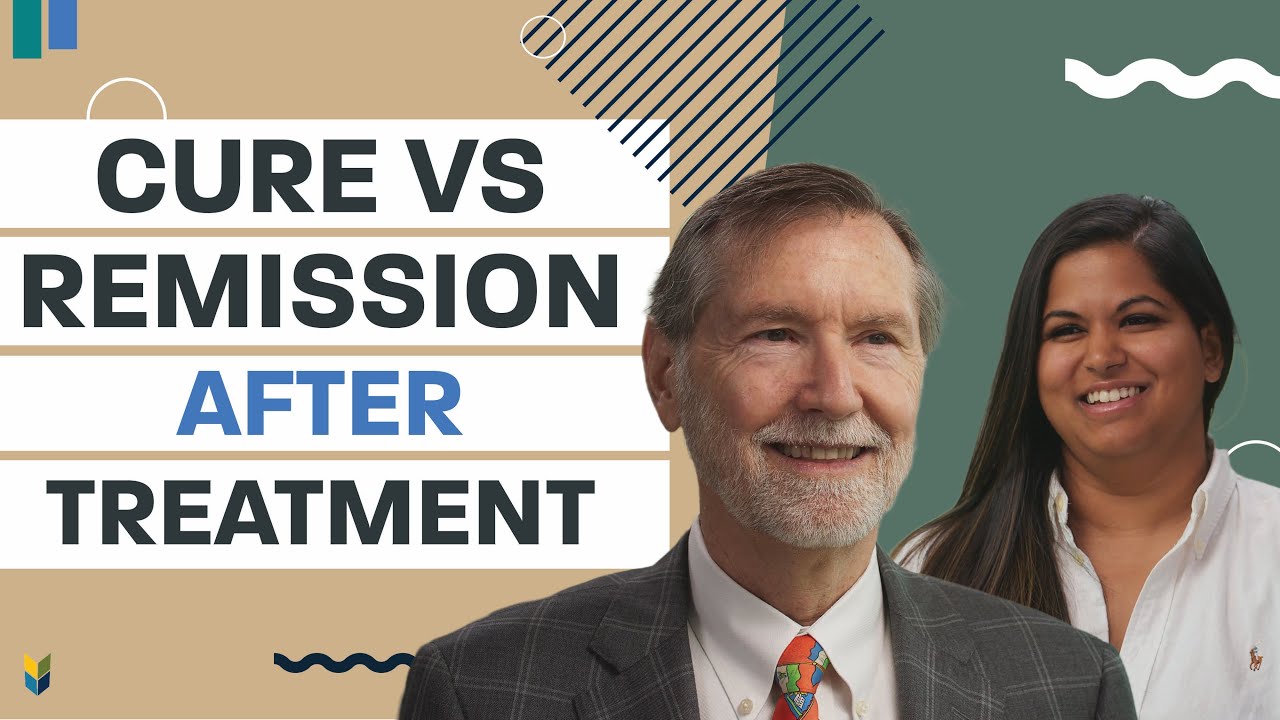
Here is another video in which medical oncologist Dr. Mark Scholz breaks down the difference between cancer remission and a cure, specifically in the context of prostate cancer. He explains how remission signals control over the disease, while a cure means it’s completely gone.
Living in Cancer Remission: What to Expect
Living in remission can bring relief but also anxiety. Many patients fear cancer might come back. Here are ways to manage this phase:
- Stay Connected with Your Oncologist
- Attend All Follow-Up Appointments
- Practice Mindfulness and Mental Health Care
- Join Support Groups
Pro Tip: Emotional support is just as important as physical health.
Real-Life Success Stories
1. Shaedra Byrd – Colon Cancer Survivor
Shaedra Byrd, a 41-year-old mother of two, experienced a significant weight loss of 100 pounds, which she initially attributed to increased activity with her children. However, persistent abdominal pain led to a diagnosis of stage 3 colorectal cancer in mid-2022. After undergoing chemotherapy, radiation, and surgery, Shaedra is now cancer-free. She emphasizes the importance of self-advocacy in healthcare and encourages others to listen to their bodies and seek early screening.
Read Shaedra’s full story
2. Chris Lopez – Young Colorectal Cancer Survivor
At just 29 years old, Chris Lopez was diagnosed with colorectal cancer, making him the youngest patient his oncologist had ever treated. Now in remission, Chris is dedicated to raising awareness about early detection and mentoring young cancer patients. His journey highlights the importance of resilience and advocacy in the face of adversity.
Read Chris’s full story
Edie Littlefield Sundby – Stage IV Gallbladder Cancer Survivor
In 2007, Edie Littlefield Sundby was diagnosed with stage IV gallbladder cancer and given just a few months to live. Defying the odds, she underwent 79 rounds of chemotherapy and multiple surgeries. To celebrate her survival, Edie embarked on a 1,600-mile walk along the historic El Camino Real mission trail, chronicling her journey in the memoir “The Mission Walker”.
“The Mission Walker” was Audie Award Finalist finalist in Best Inspirational Book.
Learn more about The Mission Walker – Edie’s journey
These stories show that remission isn’t a cure but a powerful step forward.
Lifestyle Tips for Staying in Remission
Here are simple yet powerful ways to maintain your health:
- Eat a Balanced Diet (rich in fruits, vegetables, and lean proteins)
- Exercise Regularly (aim for 30 minutes a day)
- Reduce Stress (meditation, hobbies, or therapy)
- Avoid Smoking and Alcohol
- Get Regular Checkups
Most Common Questions About Cancer Remission
Q1: What is remission in cancer?
Remission means the cancer is gone or reduced, but not necessarily cured.
Q2: Can cancer come back after remission?
Yes. That is why ongoing monitoring is important.
Q3: How long does remission last?
It varies. Some stay in remission for life. Others may have recurrences.
Q4: What helps maintain remission?
Healthy lifestyle, maintenance therapy, and follow-up care.
Q5: Is remission the same as cured?
No. Remission means improved, but cure means the cancer is gone for good.
Final Thoughts: Moving Forward With Hope
The difference between remission and a cure is more than medical—it shapes how patients live, plan, and find peace. Remission can be a sign of progress, and for many, it brings hope and renewed purpose.
Remember: staying informed, adopting healthy habits, and building a strong support system are essential parts of the journey. Whether you are a patient, survivor, or caregiver, your path matters—and you are not alone. Keep setting goals and living meaningfully. Each healthy day is a victory, and every story of survival gives hope to someone else. Trust your progress, and keep moving forward.
References
American Cancer Society
Mayo Clinic
National Cancer Institute
Leukemia & Lymphoma Society
Ovarian Cancer Research Alliance



Leave a Reply