

At AskDoctor.ai, we have created this content to provide you with valuable knowledge about Type 1 Diabetes and how it differs from Type 2 Diabetes. Our goal is to offer both information and inspiration—helping you understand the condition while giving you hope and practical insights on how to manage and cope with it. You are not alone; through knowledge and community, we believe you can confidently navigate this journey.
When people hear the word diabetes, it’s often assumed there’s just one type—something to do with sugar and insulin, and maybe a need to cut back on sweets. But diabetes isn’t a one-size-fits-all condition. There are key differences between Type 1 and Type 2 diabetes, especially when it comes to the underlying causes, risk factors, and how each is managed.
Perhaps one of the most fundamental distinctions? Type 1 diabetes is an autoimmune disease. That changes everything—from how it begins, to who it affects, to how it’s treated. So, let’s break it down and explore what makes Type 1 unique and how it compares to the much more common Type 2.
What Is Type 1 Diabetes?
Type 1 diabetes (T1D), formerly known as juvenile diabetes or insulin-dependent diabetes, is a chronic autoimmune condition where the body’s immune system mistakenly attacks the insulin-producing beta cells in the pancreas.
A 2022 study published in The Lancet Diabetes & Endocrinology estimated that in 2021, 8.4 million individuals worldwide were living with T1D. This number is projected to rise to between 13.5 and 17.4 million by 2040, reflecting a substantial global health challenge.
Once these cells are destroyed, the body can no longer produce insulin, a hormone essential for regulating blood sugar (glucose). Without insulin, glucose builds up in the bloodstream, leading to dangerous health consequences if not managed with insulin therapy.
Why Is It Called an Autoimmune Disease?
In Type 1 diabetes, the body’s immune system, which is supposed to defend against viruses and bacteria, turns against its own cells. Specifically, it targets and destroys the pancreatic beta cells located in the islets of Langerhans. Hence, it is called an autoimmune disease. Think of it like friendly fire in the body’s defence system.
This autoimmune attack usually happens over a period of months or even years, and by the time symptoms appear, most of the beta cells are already gone.
How Common Is Type 1 Diabetes?
Type 1 diabetes is far less common than Type 2. According to the Centres for Disease Control and Prevention (CDC):
- About 5–10% of all people with diabetes have Type 1.
- As of 2023, approximately 1.9 million Americans were living with Type 1 diabetes.
- Around 64,000 people in the U.S. are diagnosed with it each year.
- It’s one of the most common chronic diseases in children, but adults can develop it too.
How Does Type 1 Differ from Type 2?
Let’s break this down into some key categories:
- Cause
- Type 1: Autoimmune destruction of beta cells. Cause is not fully understood, but believed to be a mix of genetics and environmental triggers (possibly viral infections).
- Type 2: Primarily caused by insulin resistance. The pancreas still makes insulin, but the body’s cells don’t respond properly. Often tied to lifestyle factors like obesity, poor diet, and inactivity, though genetics also plays a role.
- Onset
- Type 1: Rapid onset, often with dramatic symptoms like frequent urination, extreme thirst, weight loss, and fatigue. It can occur at any age, but usually in children, teens, or young adults.
- Type 2: Gradual onset. May go undiagnosed for years because symptoms are mild or absent.
- Insulin Production
- Type 1: The body produces no insulin at all.
- Type 2: The body still produces insulin, especially early in the disease, but it’s not used effectively.
- Treatment
- Type 1: Requires lifelong insulin therapy—either via injections or an insulin pump.
- Type 2: Often managed with lifestyle changes (diet, exercise), oral medications like metformin, and sometimes insulin in later stages.
- Prevention
- Type 1: Not preventable. No lifestyle change can stop it from occurring.
- Type 2: Largely preventable or delayable through healthy lifestyle choices.
Autoimmunity: The Smoking Gun in Type 1
Let’s take a closer look at the autoimmune nature of T1D.
What Triggers the Immune Attack?
Scientists don’t have all the answers yet, but several factors are believed to play a role:
- Genetic predisposition: Certain genes—especially those related to the human leukocyte antigen (HLA) system—significantly increase risk.
- Environmental triggers: Viruses (like enteroviruses), diet in early infancy, or even gut microbiome changes may act as the spark that triggers the immune system’s misfire.
- Autoantibodies: In many people with Type 1, immune system markers (autoantibodies) can be detected in the blood years before symptoms start. These include:
- GAD65
- IA-2
- ZnT8
- Insulin autoantibodies (IAA)
The presence of two or more autoantibodies indicates a high likelihood of progressing to full-blown Type 1 diabetes.
Symptoms of Type 1 vs. Type 2
Common Type 1 Symptoms:
- Extreme thirst
- Frequent urination
- Unexplained weight loss
- Blurred vision
- Fatigue
- Fruity-smelling breath (a sign of diabetic ketoacidosis)
Common Type 2 Symptoms:
- Fatigue
- Increased hunger
- Blurred vision
- Slow-healing sores
- Frequent infections
- Darkened skin in body folds (a sign of insulin resistance)
Complications Are a Risk in Both Types
Without good blood sugar control, both types of diabetes can lead to serious complications over time, including:
- Heart disease
- Stroke
- Kidney failure
- Nerve damage
- Vision loss
- Amputations
According to the American Diabetes Association, diabetes is the 7th leading cause of death in the U.S. as of the most recent data.
But here’s a key difference: Type 1 patients are at immediate risk of life-threatening conditions like diabetic ketoacidosis (DKA) if insulin therapy is interrupted—even for a short time.
Advances in Type 1 Treatment
Treatment for Type 1 diabetes has come a long way. Today’s tools make it easier than ever to manage blood sugar and live a full, healthy life.
Innovations include:
- Continuous Glucose Monitors (CGMs): Devices that track blood sugar 24/7 in real-time.
- Insulin pumps: Wearable devices that deliver insulin throughout the day.
- Hybrid closed-loop systems (artificial pancreas): Combine a CGM and pump with smart algorithms to automatically adjust insulin.
- Teplizumab (Tzield): In 2022, the FDA approved this drug to delay the onset of T1D in people at high risk—the first disease-modifying treatment for Type 1 ever approved.
Type 1 in Adults: Not Just a Childhood Disease
There’s a form of adult-onset autoimmune diabetes called LADA (Latent Autoimmune Diabetes in Adults). It’s sometimes misdiagnosed as Type 2 because it develops more slowly, but it’s closer to Type 1.
Studies suggest that 10–15% of adults diagnosed with “Type 2” may have LADA, and require insulin much sooner.
A Day in the Life: Living with Type 1
For someone with Type 1 diabetes, daily life includes:
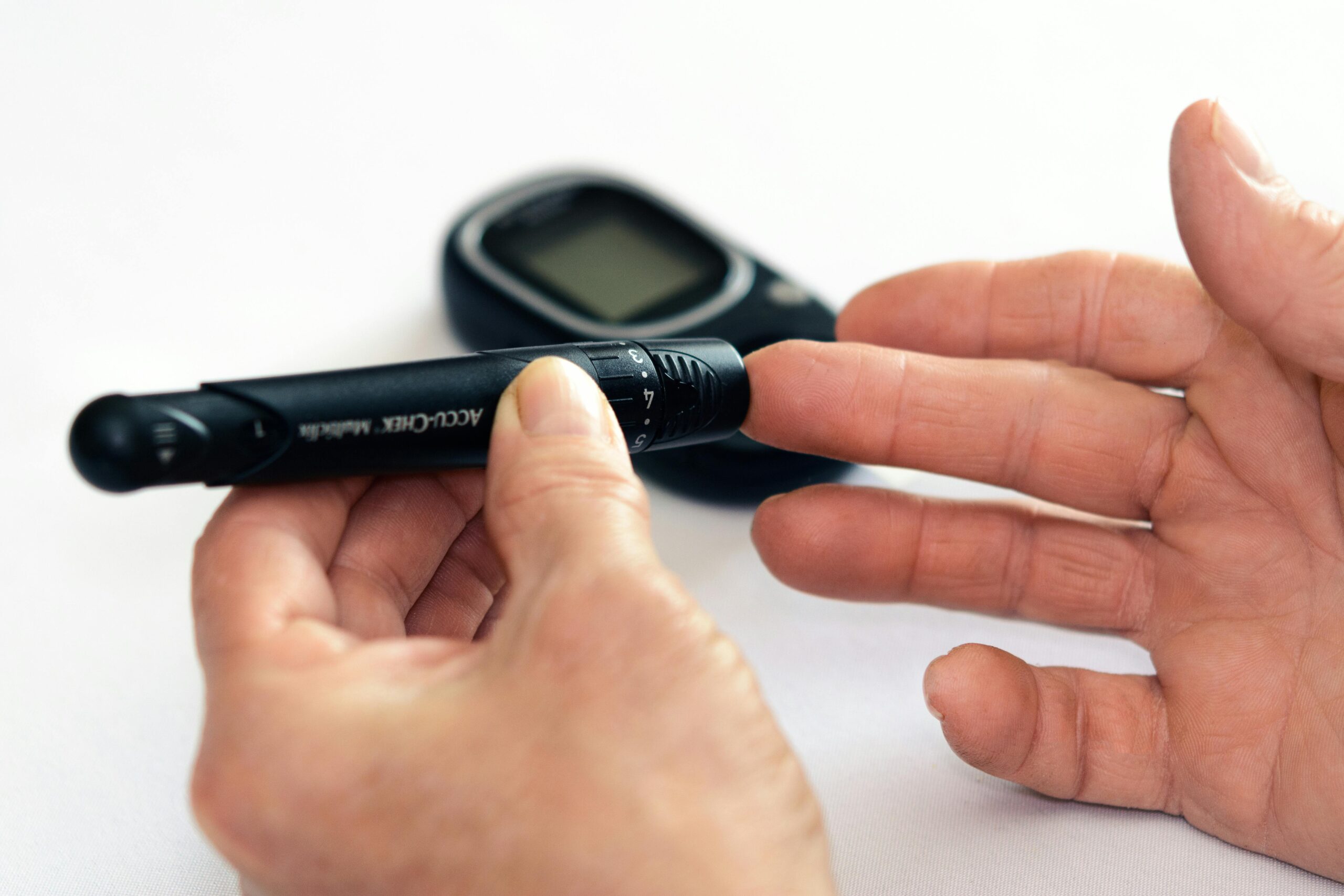
- Checking blood sugar multiple times per day (or using a CGM).
- Calculating insulin doses for meals and snacks.
- Keeping fast-acting sugar on hand in case of low blood sugar.
- Adjusting for exercise, stress, illness, and hormones.
- Navigating the cost and accessibility of insulin (a major concern, especially in the U.S., where prices have increased over 1,200% since 1996).
It’s not just a physical condition—it’s a mental and emotional journey too. Studies show that people with T1D are twice as likely to experience depression compared to those without diabetes.
Doctor’s Personalised Assistance Is Crucial
Reddit User Cmaken express concern over the generalised advice being shared about managing Type 1 diabetes. They emphasise that every individual’s experience with the condition is different, which is why personalised medical guidance from healthcare professionals is essential. While they acknowledged that sharing personal experiences can be helpful, they warned that offering broad suggestions, especially regarding insulin dosages, could be dangerous and even life-threatening for others. They pointed out that the individual giving the advice is not a doctor and urged them to consider a more responsible and cautious approach when engaging with the community.
Inspiring Story Shared By Dr. Eric Berg
You can check out this amazing and moving story of two adorable girls and their success with Type 1 diabetes.
13 Years With Type 1 Diabetes
You can also check out this YouTube video of a young girl who is living and also thriving after being diagnosed with Type 1 Diabetes at the age of 13.
Why Understanding the Difference Matters
Knowing the difference between Type 1 and Type 2 diabetes isn’t just a matter of semantics—it impacts diagnosis, treatment, and daily life. Type 1 is an autoimmune disease that can strike anyone at any age and requires lifelong insulin therapy. Type 2, while more common, has a different root cause and can often be prevented or managed with lifestyle changes.
Yet both types deserve equal awareness, empathy, and support.
As research continues, the hope is that we move closer to a cure for Type 1 diabetes—and in the meantime, support people living with it with better tools, better education, and better access to care.
References
Nation Library of Medicine
Diabetes.org
National Library of Medicine



Leave a Reply