

At AskDoctor.ai, we have created this content to provide you with valuable knowledge about autoimmune encephalitis. Our goal is to offer both information and inspiration, helping you understand the condition while giving you hope and practical insights on how to manage and cope with it. You are not alone; through knowledge and community, we believe you can confidently navigate this journey.
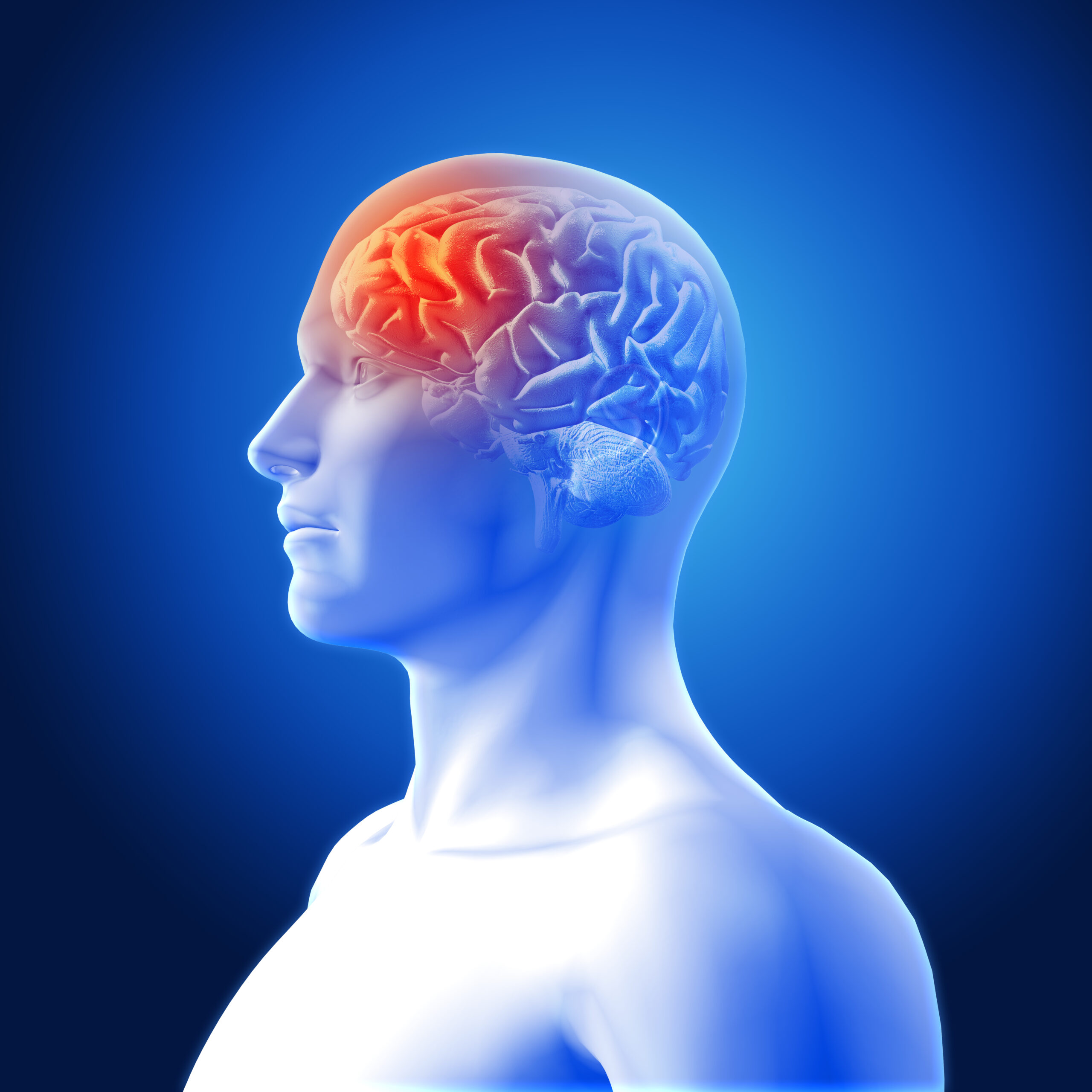
Autoimmune encephalitis (AE) is a rare but serious condition where the body’s immune system mistakenly attacks healthy brain cells, leading to inflammation. This condition can manifest with a range of symptoms, often beginning with psychiatric manifestations before progressing to neurological impairments. Early recognition and treatment are crucial for recovery.
What Is Autoimmune Encephalitis?
Autoimmune encephalitis occurs when the immune system produces antibodies that target specific proteins or receptors in the brain. This leads to inflammation and disruption of normal brain function. Various factors, including infections, certain cancers, or, in some cases, no identifiable cause, can trigger the condition. Autoimmune encephalitis is a rare condition affecting about 13.7 cases per 100,000 people worldwide, which is comparable to the prevalence of infectious encephalitis.
Types of Autoimmune Encephalitis
There are several types of AE, each associated with antibodies against different brain receptors:
- Anti-NMDA Receptor Encephalitis: The most common form, often affecting young women and children. It can cause psychiatric symptoms, seizures, and movement disorders.
- Anti-LGI1 and Anti-CASPR2 Encephalitis: These types are often associated with limbic encephalitis and can lead to memory loss, confusion, and seizures.
- Anti-GABA Receptor Encephalitis: Typically linked to tumours like small-cell lung cancer, this type can cause seizures and cognitive decline.
- Anti-AMPA Receptor Encephalitis: More common in older adults, leading to confusion and memory issues.
Symptoms: Beyond the Brain
The symptoms of AE can vary widely but often include:
- Psychiatric Symptoms:
In a study of 108 patients with anti-NMDAR encephalitis, 62% presented with psychiatric symptoms as their initial signs. Furthermore, 95% of these patients experienced psychiatric symptoms during their illness, including anxiety, agitation, hallucinations, delusions, and personality changes.
- Neurological Symptoms:
Seizures, memory loss, difficulty speaking, and involuntary movements are common manifestations of AE. In fact, a study involving 242 AE patients found that 77% experienced cognitive problems, including recent memory decline. Likewise,40% had speech problems, including difficulty in finding words and speech dysfluency.
- Cognitive Impairments: Confusion, disorientation, and problems with concentration.
In some cases, symptoms may progress rapidly, leading to severe complications like status epilepticus (prolonged seizures) or coma.
Autoimmune Encephalitis V/S Infectious Encephalitis: What’s The Difference?
Autoimmune encephalitis (AE) and infectious encephalitis both involve inflammation of the brain, but they differ significantly in their causes, symptoms, and treatments.
Cause
- Autoimmune Encephalitis (AE): It is caused by the immune system mistakenly attacking the brain. This happens when the body produces antibodies against proteins or receptors in brain cells (e.g., NMDA, LGI1, GABA receptors).
- Infectious Encephalitis: It is caused by a pathogen—typically a virus, but sometimes bacteria, fungi, or parasites—directly invading the brain. Common viruses include herpes simplex virus (HSV), West Nile virus, and enteroviruses.
Symptoms
Shared Symptoms:
- Seizures
- Confusion
- Cognitive dysfunction
- Altered consciousness
- Behavioral changes
Unique to Autoimmune Encephalitis:
- New-onset psychiatric symptoms (e.g., hallucinations, paranoia, mania)
- Memory loss
- Language difficulties
- Movement disorders (e.g., involuntary movements, catatonia)
Unique to Infectious Encephalitis:
- Fever and chills
- Headache
- Neck stiffness
- Photophobia (sensitivity to light)
- Nausea and vomiting
Onset & Progression
Autoimmune Encephalitis:
- Typically has a subacute onset (days to weeks)
- May begin with mild symptoms like anxiety or mood changes, progressing to seizures and cognitive decline
Infectious Encephalitis:
- Often has a rapid, acute onset (hours to a few days)
- Begins with fever and systemic symptoms before neurological decline
Diagnosis: The Challenge of Recognition
Diagnosing AE can be challenging due to its rarity and the overlap of symptoms with other psychiatric or neurological disorders. Misdiagnosis is a major problem in this condition. A comprehensive study involving 393 patients referred with a diagnosis of AE revealed that 107 (approximately 27%) were misdiagnosed. Among these misdiagnosed cases, 72% did not meet the established diagnostic criteria for AE.
Simply put, a comprehensive evaluation typically includes:
- Medical History and Physical Examination: To assess symptoms and rule out other conditions.
- Blood Tests: To detect specific antibodies associated with AE.
- Lumbar Puncture: To analyse cerebrospinal fluid for signs of inflammation.
- Brain Imaging (MRI or CT): To identify structural changes in the brain.
- Electroencephalogram (EEG): To monitor electrical activity and detect abnormal patterns.
Early diagnosis is crucial, as prompt treatment can lead to better outcomes.
Treatment: Combating the Immune Assault
The primary goal in treating AE is to suppress the abnormal immune response. Treatment strategies may include:
- First-Line Therapies:
- Corticosteroids: To reduce inflammation.
- Intravenous Immunoglobulin (IVIg): To modulate the immune system.
- Plasmapheresis (Plasma Exchange): To remove harmful antibodies from the bloodstream.
- Second-Line Therapies (if first-line treatments are ineffective):
- Rituximab: A monoclonal antibody that depletes B cells producing harmful antibodies.
- Cyclophosphamide: A chemotherapy drug that suppresses the immune system.
- Mycophenolate Mofetil and Azathioprine: Immunosuppressive drugs used for long-term management.
If a tumour is identified as the trigger, surgical removal or treatment of the tumour is essential.
Recovery and Prognosis
The recovery process varies among individuals. Some may experience significant improvement within weeks, while others may take months or even years. Rehabilitation therapies, including physical, occupational, and speech therapy, can aid in recovery. Regular follow-up care is important to monitor for potential relapses. It is essential to note that relapses in autoimmune encephalitis are not so uncommon. For instance, a Canadian study reported a relapse rate of 46%, with 76% of relapses occurring within the first three years.
Encephalitis Patient Stories: From Diagnosis to Recovery
Diane’s Story – Autoimmune Encephalitis at Age 15
At just 15, Diane began experiencing ringing in her ears, headaches, and flu-like symptoms. Initially misdiagnosed with a viral ear infection, she soon spiraled into a life-threatening battle with autoimmune encephalitis—a rare condition where the immune system attacks the brain. She later lost her vision, endured muscle inflammation, dangerously high intracranial pressure, and even slipped into a semi-conscious state for three months.
“I couldn’t walk, see, or even eat. I was in hospital for six months and missed half of my GCSEs.”
Despite the terrifying symptoms and lengthy hospital stays, Diane credits her recovery not only to the medical team and neuro-rehabilitation but also to her parents’ fierce advocacy. Her father insisted on neurological investigations when doctors leaned too heavily on psychiatric explanations. Her school supported her return to education, helping her catch up with a private tutor and hospital-based learning.
However, transitioning to sixth form was tougher.
“My secondary school empowered me. My sixth form didn’t. They saw my absences, not my potential.”
Now studying psychology and cognitive neuroscience, Diane is determined to become a neuropsychologist and support others dealing with life-changing illnesses. She also runs school workshops focused on resilience, teaching students that life success matters just as much as exam success.
Reflecting on her journey, Diane shares two powerful lessons:
“View life’s limitations as an opponent, not a dictator. And choose to be refined by pain, not defined by it.”
Six years on, she feels fully recovered—but not without scars. Her vision never fully returned to normal, and the emotional healing took years.
“It wasn’t just my brain under attack—it felt like my identity was. But I’ve come back stronger and more connected to myself than ever.”
Today, Diane speaks publicly to inspire others, advocate for better care, and remind educators and health professionals alike:
“Empower your students. Empower your patients. Know their history. Don’t just see a diagnosis—see a person.”
There’s Light At The End of The Tunnel
A Reddit User’s daughter at the age of 15 contracted autoimmune encephalitis, becoming fully catatonic—unable to eat, speak, or respond. Her recovery involved a combination of tocilizumab and later ECT treatments. After a challenging period, she is now thriving, active, in college, learning to drive, and enjoying life, despite some minor deficits. The root cause was identified as IL-6 and cross-reactivity with strept. They stress the importance of seeking care at a major autoimmune brain centre for a proper diagnosis before relying on local neurologists, which they believe was key to her recovery.
Unravelling The Complexities of AE: Dana’s Story
You can also check out this deeply moving and personal story of Dana’s struggle with and triumph over autoimmune encephalitis.
Awareness and Vigilance: The Keys To Fighting Autoimmune Encephalitis
Autoimmune encephalitis is a complex and potentially life-threatening condition that requires prompt recognition and treatment. Understanding its symptoms and seeking timely medical attention can significantly improve outcomes. Awareness and education are key to ensuring that individuals affected by AE receive the care and support they need.
For more information and support, consider reaching out to medical professionals or organisations specialising in autoimmune encephalitis.






Leave a Reply