

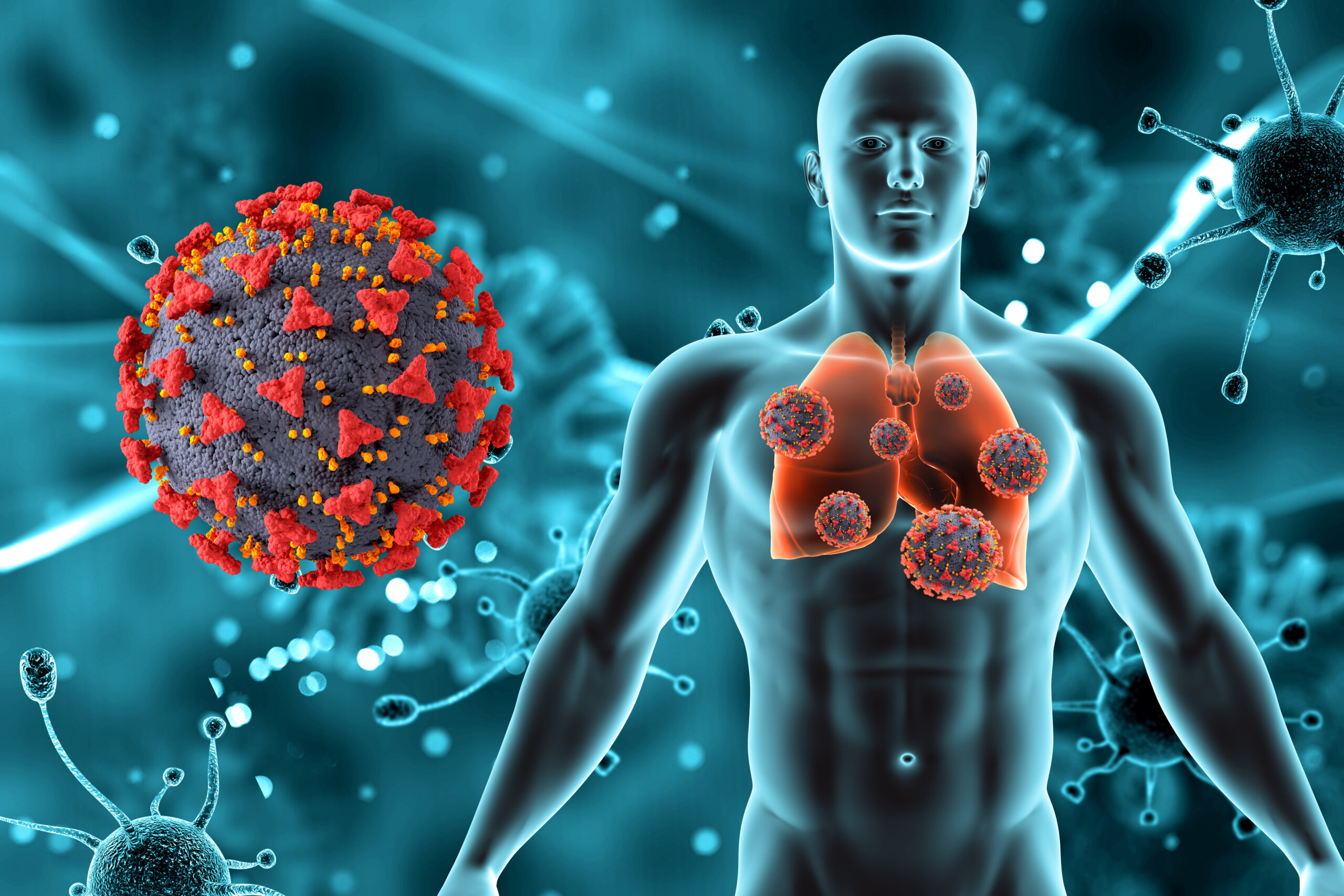
At AskDoctor.ai, we have created this content to provide you with valuable knowledge about autoimmune diseases and how diet can make a difference. Our goal is to offer both information and inspiration—helping you understand the various types of diets that can help with autoimmune diseases. You are not alone; through knowledge and community, we believe you can confidently navigate this journey.
Autoimmune diseases are conditions in which the body’s immune system mistakenly attacks its own tissues. This leads to chronic inflammation, pain, and a variety of other symptoms. It is estimated that 5 to 10 percent of the global population may be affected by an autoimmune disorder, although the rates vary by region and specific condition.
Conditions like rheumatoid arthritis, lupus, Crohn’s disease, multiple sclerosis, and Hashimoto’s thyroiditis are just a few examples.
While the exact cause of autoimmune diseases is still not fully understood, many people with autoimmune conditions have found relief through diet. Certain diets, such as the Autoimmune Protocol (AIP), Paleo, and Gluten-Free diets, have gained popularity for their potential to reduce inflammation, alleviate symptoms, and improve overall health.
In this blog, we will dive into the details of these three popular diets.
Understanding Autoimmune Diseases
Autoimmune diseases occur when the immune system mistakenly targets the body’s own cells and tissues, considering them as foreign invaders. The immune system normally defends the body against harmful pathogens like viruses, bacteria, and other microorganisms. However, in autoimmune diseases, the immune system gets confused, leading to chronic inflammation and tissue damage.
Some common autoimmune diseases include:
- Rheumatoid Arthritis: Affects the joints, causing pain and stiffness. Around 1.3 million people in the USA alone suffer from the condition.
- Lupus: Affects the skin, joints, kidneys, and other organs.
- Multiple Sclerosis: Affects the nervous system, causing fatigue, numbness, and motor issues.
- Hashimoto’s Thyroiditis: Affects the thyroid, leading to fatigue, weight gain, and depression.
- Celiac Disease: Affects the digestive system, triggered by gluten consumption.
Managing autoimmune diseases typically involves a combination of medication and lifestyle changes. One crucial aspect of this management is diet.
Although diet is not the sole cause of autoimmune diseases, many people with these conditions report that their symptoms worsen after eating certain foods. Some foods can increase inflammation, trigger immune responses, or cause gut imbalances, all of which can exacerbate autoimmune symptoms.
A diet that focuses on reducing inflammation, improving gut health, and avoiding common food triggers may help manage the symptoms of autoimmune diseases. A 2019 study published in the Journal of Clinical Medicine found that 70-80% of people with autoimmune diseases reported that diet played a crucial role in controlling or reducing symptoms.
Let’s explore three popular diets that have shown promise for people with autoimmune disorders: AIP (Autoimmune Protocol), Paleo, and Gluten-Free.
The Autoimmune Protocol Diet (AIP)
The Autoimmune Protocol (AIP) diet is an elimination-based approach designed specifically for individuals with autoimmune diseases. It is a more restrictive version of the Paleo diet.
The AIP diet eliminates foods that may trigger inflammation or immune responses, such as gluten, dairy, grains, legumes, refined sugars, and processed foods. It also includes a variety of nutrient-dense foods, such as vegetables, fruits, and high-quality meats, to support healing.
How Does AIP Help Autoimmune Diseases?
The AIP diet is based on the idea that the body’s immune system can be “reset” through dietary changes. By removing foods that may trigger inflammation and gut permeability (often referred to as “leaky gut”), the diet aims to reduce autoimmune flares and support healing.
Some of the benefits that people with autoimmune diseases may experience while following the AIP diet include:
- Reduced inflammation: By eliminating inflammatory foods, the immune system may not overreact, leading to less inflammation.
- Improved gut health: The diet focuses on nutrient-dense foods that support gut integrity, reducing leaky gut symptoms.
- Symptom relief: Many autoimmune patients report reduced symptoms such as fatigue, joint pain, and skin issues when following AIP.
What Foods Are Eliminated in AIP?
The AIP diet is strict during the elimination phase and includes the following food restrictions:
- Grains: All forms of grains, including wheat, rice, and oats, are eliminated.
- Dairy: Dairy products, including milk, cheese, and yogurt, are excluded.
- Legumes: Beans, lentils, and peanuts are not allowed.
- Nightshades: Foods like tomatoes, potatoes, peppers, and eggplants are avoided because they may trigger inflammation.
- Processed foods: Artificial sweeteners, refined sugars, and additives are eliminated.
- Alcohol: All forms of alcohol, including wine and beer, are restricted.
Once the elimination phase is complete, some foods are slowly reintroduced to observe their effects on the body. This phase helps individuals identify specific triggers and determine which foods work best for their body.
Scientific Support for AIP
Several studies suggest that the AIP diet may be effective in reducing inflammation and improving symptoms of autoimmune diseases. Research has shown that an elimination diet can help decrease inflammation, improve gut health, and reduce symptoms associated with autoimmune conditions.
For example, a study published in Autoimmune Diseases found that the AIP diet was beneficial for people with inflammatory bowel disease (IBD), leading to improved symptoms and quality of life.
The Paleo Diet
The Paleo diet is based on the eating habits of our Paleolithic ancestors. The diet emphasizes whole, unprocessed foods that our bodies are believed to be naturally adapted to, such as meats, fish, vegetables, fruits, nuts, and seeds. It excludes foods like grains, dairy, legumes, and processed sugars, which were introduced much later in human history.
How Does the Paleo Diet Help Autoimmune Diseases?
The Paleo diet focuses on reducing inflammation and improving gut health, both of which are crucial for managing autoimmune diseases. By eliminating foods that can trigger immune responses, such as grains and dairy, the Paleo diet aims to lower the burden on the immune system and prevent flare-ups of autoimmune symptoms.
People with autoimmune diseases who follow the Paleo diet may experience the following benefits:
- Anti-inflammatory effects: The diet encourages foods rich in omega-3 fatty acids, antioxidants, and other anti-inflammatory nutrients.
- Gut healing: By cutting out processed foods, gluten, and dairy, the Paleo diet supports a healthier gut, which can help reduce leaky gut syndrome and other gut-related issues.
- Improved energy: Many individuals with autoimmune diseases report increased energy and reduced fatigue when following a Paleo diet.
What Foods Are Eliminated in Paleo?
The Paleo diet eliminates the following foods:
- Grains: Wheat, rice, corn, oats, and all other grains are excluded.
- Dairy: All forms of dairy are eliminated.
- Legumes: Beans, lentils, and peanuts are restricted.
- Processed foods: No refined sugars, artificial sweeteners, or preservatives.
- Vegetable oils: Soybean oil, sunflower oil, and other processed oils are not allowed.
The focus is on eating whole, nutrient-dense foods that support overall health and healing.
Scientific Support for the Paleo Diet
The Paleo diet has garnered support from several studies indicating its benefits for people with autoimmune diseases. A study published in the Journal of Clinical Rheumatology (2015) showed that people with rheumatoid arthritis who followed a Paleo diet experienced significant improvements in disease activity and reduced inflammation, with some participants reporting up to a 50% reduction in joint pain and stiffness.
The Gluten-Free Diet
A gluten-free diet eliminates gluten, a protein found in wheat, barley, rye, and oats. While the gluten-free diet is primarily known for its effectiveness in managing celiac disease, there is growing evidence that gluten may exacerbate symptoms in individuals with other autoimmune diseases, even in those without celiac disease.
For individuals with autoimmune conditions like Hashimoto’s thyroiditis or rheumatoid arthritis, eliminating gluten may help reduce inflammation and immune system activation, ultimately providing symptom relief.
How Does the Gluten-Free Diet Help Autoimmune Diseases?
Gluten has been shown to trigger an immune response in susceptible individuals. This leads to inflammation and damage to the intestines and other organs. By removing gluten from the diet, people with autoimmune diseases may experience reduced inflammation, improved gut health, and decreased autoimmune flare-ups.
Some benefits of the gluten-free diet include:
- Reduced inflammation: Gluten is a known inflammatory agent, and removing it from the diet can decrease inflammation levels.
- Improved gut function: A gluten-free diet can support gut healing, especially in individuals with autoimmune conditions like celiac disease or inflammatory bowel disease.
- Fewer flare-ups: Many individuals report fewer flare-ups of autoimmune symptoms when they follow a strict gluten-free diet.
What Foods Are Eliminated in a Gluten-Free Diet?
The gluten-free diet eliminates all foods containing gluten, including:
- Wheat: All forms of wheat, including whole wheat, spelt, and durum, must be avoided.
- Barley and Rye: These grains contain gluten and are restricted.
- Processed foods with gluten: Many processed foods contain hidden sources of gluten, including bread, pasta, baked goods, and cereals.
Many gluten-free alternatives are available, including gluten-free grains like quinoa, rice, and buckwheat.
Scientific Support for the Gluten-Free Diet
A wealth of research supports the use of a gluten-free diet in managing autoimmune diseases. Studies have shown that removing gluten from the diet can lead to improved symptoms and disease management in conditions such as celiac disease, rheumatoid arthritis, and Hashimoto’s thyroiditis.
Which Diet is Best for Autoimmune Disease?
Choosing the best diet for an autoimmune disease depends on the individual’s condition, preferences, and needs. All three diets—AIP, Paleo, and Gluten-Free—can help reduce inflammation and manage autoimmune symptoms, but they differ in terms of their restrictions and focus.
- AIP: Best for those who are looking for an elimination-based approach that removes a wide variety of potential triggers, focusing on healing the gut.
- Paleo: Ideal for those who want to focus on whole, unprocessed foods while reducing inflammation and supporting gut health.
- Gluten-Free: Essential for those with celiac disease or gluten sensitivity, but may also benefit others with autoimmune conditions.
It’s important to consult with a healthcare provider or nutritionist before starting any diet, especially when managing a chronic autoimmune disease.
The Restriction Is Worth It
Reddit User Nole shared their experience with Sjögren’s syndrome after weaning off medications like Plaquenil and Prednisone, which they had been on for three years. Under their doctor’s guidance, they successfully reduced their medication use and kept their symptoms under control through diet and exercise.
They follow a strict gluten-free diet and eat dairy-free about 75% of the time, with occasional indulgence in cheese. They found this approach to be highly effective, noting that while there might be an adjustment period with some initial discomfort, the long-term benefits make it all worthwhile.
Diet To Deal With Hashimoto’s
Reddit User rht3100 says that they have had Hashimoto’s disease and suspected fibromyalgia. They have found that following a gluten-free diet has provided noticeable benefits. While the improvements are generally gradual, some changes can be observed more immediately when tracking symptoms.
Tackling Autoimmune Disease With Diet
You can also check out this amazing success story of tackling autoimmune diseases, fatigue, and other symptoms with the right diet.
How Diet Can Support Your Autoimmune Healing Journey
While there is no one-size-fits-all approach to managing autoimmune diseases, diet plays a crucial role in reducing symptoms and promoting healing. The AIP, Paleo, and Gluten-Free diets each offer unique benefits for those dealing with autoimmune conditions.
By focusing on whole, nutrient-dense foods and eliminating potential triggers, these diets may help reduce inflammation, improve gut health, and provide long-term symptom relief. Whether you’re looking to try the strict elimination of AIP, the ancestral approach of Paleo, or the gluten-free lifestyle, these diets are worth considering as part of your autoimmune disease management plan.
References
Global Autoimmune Institute
Rheumatoid Arthritis.org
The Healthy.com
National Library of Medicine





Leave a Reply